Maximizing Your Steel Inventory: Strategies for Efficient Metal Distribution and Cost Management
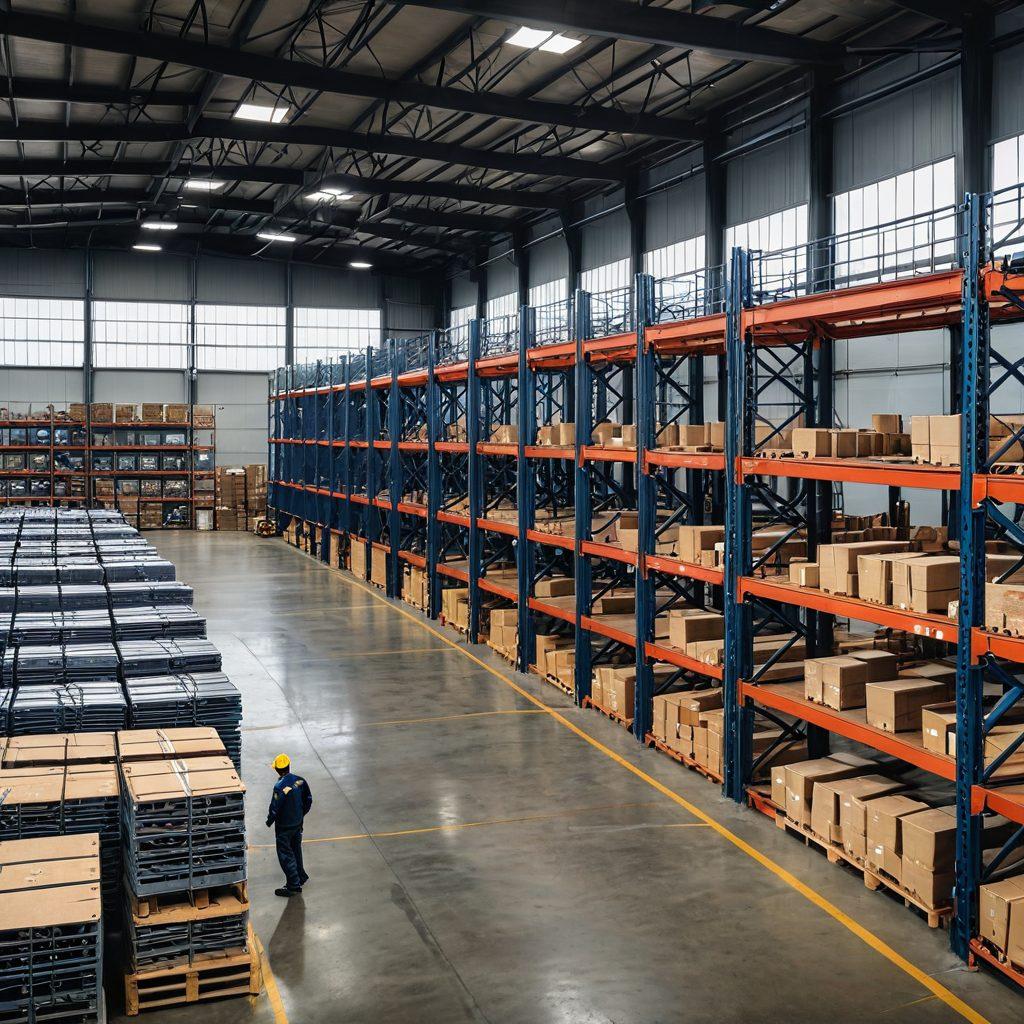
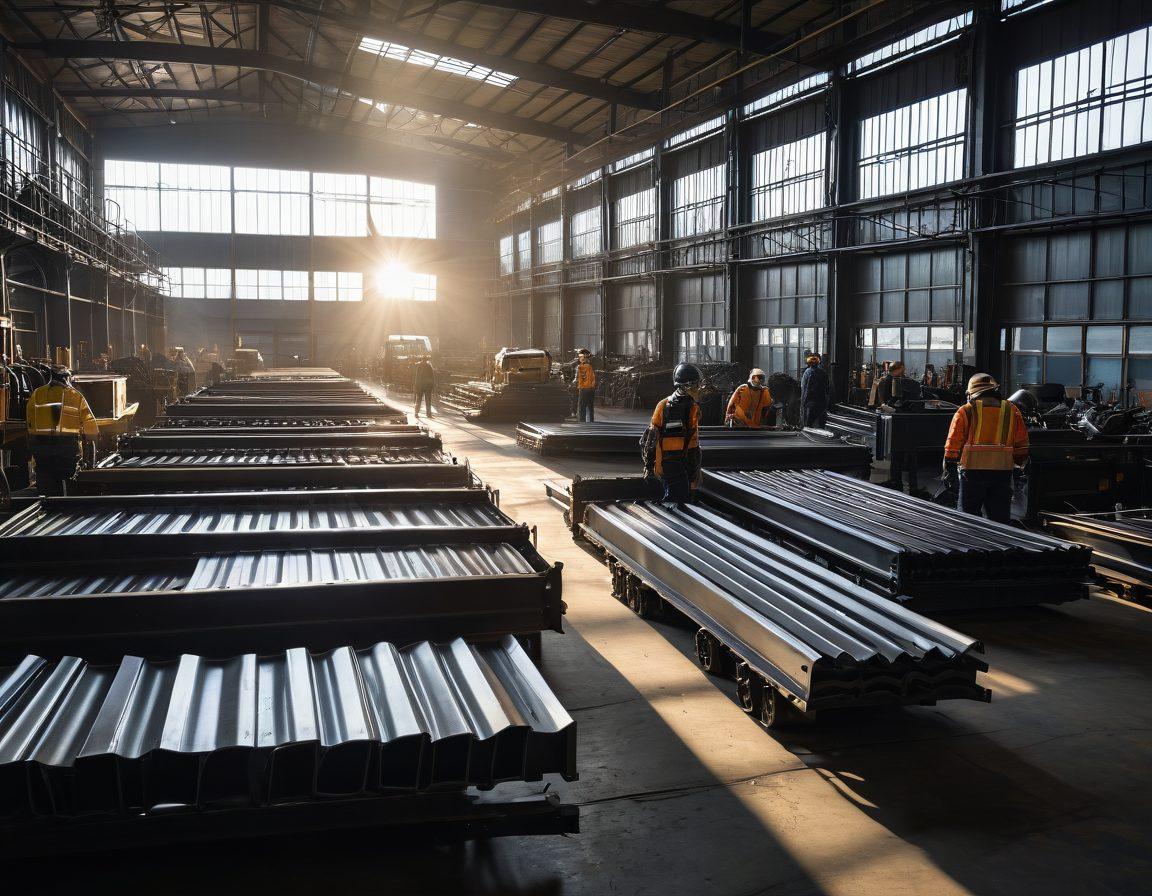
In the bustling world of construction and manufacturing, steel is an unsung hero that supports the infrastructure of our society. As architects design the skyline and manufacturers churn out vital components, a strategic approach to managing your steel inventory can make the difference between thriving and just surviving in today’s competitive market. What if we told you that optimizing your steel inventory could unlock hidden value and lead to significant cost savings? Let’s delve into some smart strategies to ensure that your stocking practices in steel commerce are not just efficient, but also savvy in fostering growth while minimizing waste.
First and foremost, understanding your metal inventory's unique dynamics is essential. Every piece of structural steel used in construction projects has its own lifecycle and demand pattern. By analyzing your steel merchandise and tracking their movement through your steel exchange, you can make informed decisions about purchasing and stocking. Have you ever considered how seasonal changes might affect your steel supplies and the costs that come with them? Equip yourself with data-driven insights to anticipate demand fluctuations and streamline your metal distribution accordingly. This proactive approach will help you reduce carrying costs and prevent overstocking.
Another key aspect of unlocking value from your steel inventory lies in collaborating closely with your steel suppliers. Building strong relationships in the steel trade can lead to better terms and pricing options. Could negotiating a long-term supply contract with local suppliers open doors to better steel pricing and help you secure heavy metal stock when you need it most? Or perhaps consider forming alliances with diverse metal suppliers to broaden your inventory variety, enabling you to handle different project specifications while maintaining the agility your business needs in a fast-paced industrial environment.
Moreover, an effective strategy for optimizing your steel inventory involves implementing just-in-time (JIT) practices. This method allows you to receive steel when it's needed, reducing the waste associated with excess inventory. It's a game-changer in both manufacturing materials and construction supplies. Are you ready to adopt JIT practices that not only minimize your holding costs but also allow more nimble responses to changing project requirements? With the right logistics and a reliable supply chain, your metalworking supplies can flow seamlessly into your projects, thus enhancing efficiency.
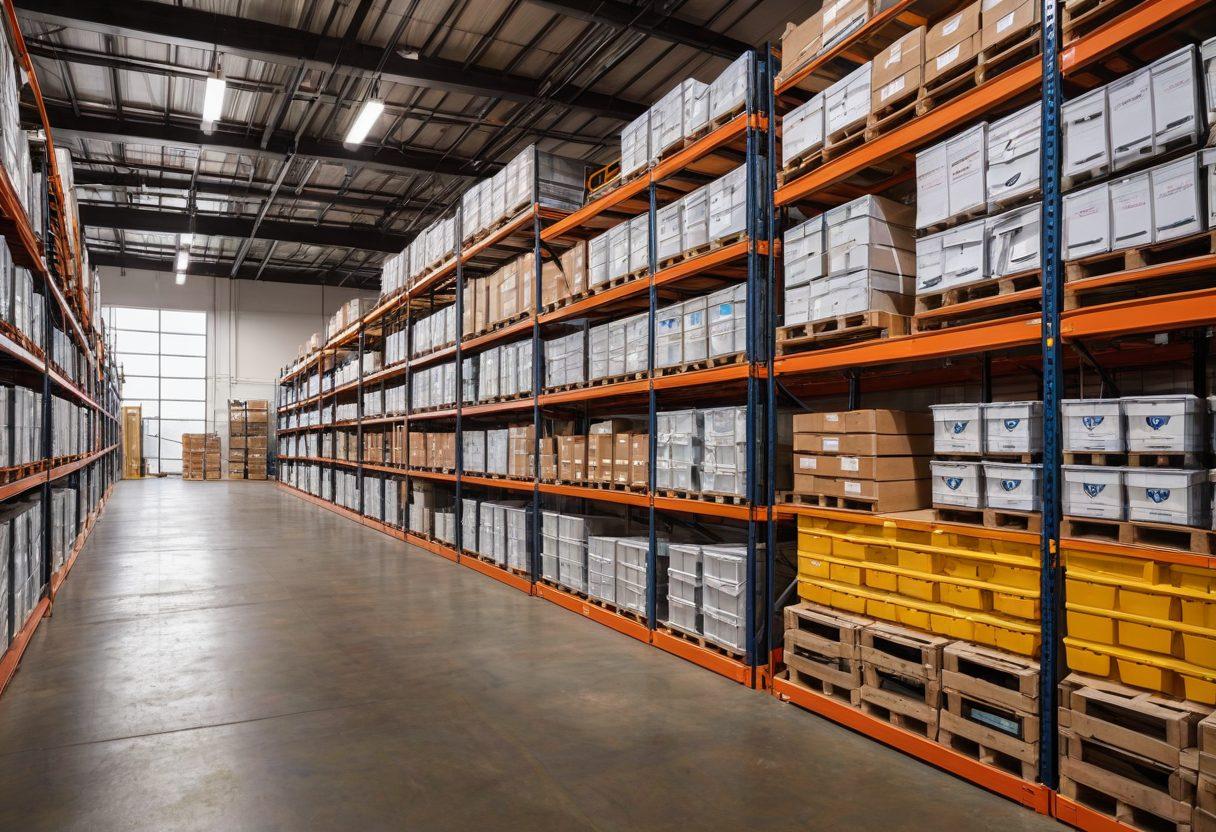
Finally, regular assessments of your steel inventory are crucial to capturing the full value that exists within it. Think of your metal resources as an ongoing investment that requires consistent monitoring. Are you leveraging software solutions to track your stock levels in real time, and identifying slow-moving items that may need to be phased out? By conducting periodic audits, you can optimize your steel inventory management, adjust for market changes, and ultimately enhance profitability. As the old adage goes, ‘What gets measured gets managed’—applying this principle could make all the difference in the world of industrial steel.
Navigating the Steel Market: Essential Tips for Effective Metal Distribution
Navigating the steel market can feel like trying to read a map with missing landmarks. The shifting sands of steel pricing can leave even seasoned professionals feeling dazed. Yet, to successfully manage your steel inventory, it's crucial to stay ahead of market trends and embrace strategies that streamline metal distribution. With the right approach, not only can you minimize costs, but you can also ensure that your operations are seamlessly aligned with the industry's demands.
Essentially, the game of steel commerce is about making informed decisions. The first step in effective metal distribution is building strong relationships with reliable steel suppliers. Have you ever wondered why some firms thrive while others struggle? It often boils down to the quality of their partnerships. Consider the old saying: 'A chain is only as strong as its weakest link.' By surrounding yourself with reputable suppliers, you can fortify your metal inventory against market fluctuations and ensure consistent access to the structural steel and construction supplies your projects demand.
Furthermore, understanding the various categories within the steel exchange—such as industrial steel and heavy metal stock—can empower you to make more informed purchasing decisions. Establishing a clear distinction among ferrous metals, which are magnetic and typically used in building materials and metal fabrication, can enhance your ability to manage your steel inventory effectively. Does your team evaluate the types of metals needed for specific projects? A comprehensive grasp of the materials at your disposal can help you avoid costly missteps and optimize your project's success.
Additionally, one practical strategy to streamline metal distribution is to invest in inventory management technology. As the steel trade becomes more sophisticated, leveraging technology can provide you with real-time insights into your metal resources. Would you believe that software programs exist specifically designed to forecast steel cost fluctuations? With data-driven decision-making, you can enhance your approach to steel wholesaling and position your business to respond agilely to market changes and pricing adjustments.
Finally, remember that the key to thriving in this competitive space lies in adaptability. Metalworking supplies and manufacturing materials are in constant motion, and maintaining an agile stance will serve you well. Are you ready to embrace change? By continually reassessing your strategies in steel inventory management, from refining your sourcing strategies to understanding market dynamics, you will not only survive but also thrive in the steel market. So gear up, go out there, and navigate those complexities like a pro!
Cost-Efficient Steel Management: Techniques for Streamlining Your Supplies
In the fast-paced world of steel commerce, the challenge of managing a steel inventory can feel overwhelming. Picture it: ferrous metals piling up, the pressure to meet customer demands mounting, and the constant need to streamline processes. What if there was a way to transform the chaos into a well-oiled machine? Here, we explore cost-efficient steel management techniques that will not only enhance your metal distribution processes but will also significantly cut down on steel costs. Let’s dive in and see how to optimize your steel inventory effectively!
First things first, let’s talk about the importance of understanding your steel inventory. Many businesses overlook the significance of maintaining a detailed and organized stock of their metal resources. Without a clear grasp on what you have and what you need, inefficiencies can stack up quickly. Did you know that 30% of excess steel stock can be attributed to lack of visibility? By investing in an efficient metal inventory system, you can eliminate waste and ensure that your construction supplies are readily available when needed. Think of it as taking inventory in your kitchen; a well-stocked pantry prevents those last-minute grocery store dashes!
Next up on our agenda is the art of steel wholesaling. It's not just about having stock; it's about managing the balance between supply and demand. Have you ever heard the quote, "You can't manage what you don't measure"? This rings particularly true in the steel trade. By leveraging analytics, businesses can better forecast future steel pricing trends and prepare for market fluctuations. For instance, using data from historical metal pricing and demand can guide your purchasing decisions, ensuring that you secure the best deal on heavy metal stock before the prices increase. Each informed decision can lead to significant savings!
As we navigate through the realm of steel management, let’s not forget about the role of steel suppliers. Developing strong relationships with reliable steel suppliers can lead to better negotiations and customized solutions tailored for your unique needs. This is where metalworking supplies come in handy—vary your supplier base to tap into different industrial steel products and discover alternative options for your manufacturing materials. Have you explored local steel exchanges? Sometimes, sourcing from neighboring suppliers can cut down transportation costs and provide swift access to essential building materials.
Finally, we must consider the technological advancements that have revolutionized steel management. Tools and software designed for tracking inventory can help streamline your metal distribution strategies. The days of manual logging are long gone; embracing digitization not only enhances efficiency but also improves accuracy in managing structural steel stocks. So, why not take the plunge? Encouraging your team to adapt to these tools not only balances your steel inventory but equips you for a future where the steel market is ever-evolving. Are you ready to boost your operational efficiency and save on costs?